
About the Project
The Fitness App is a concept iOS application designed to help users manage fitness routines and nutrition tracking in a simple, approachable way.
This was a UX-focused project created to practice and demonstrate the full UX design process, from research and problem definition through ideation and wireframing. The project emphasizes user needs, behavior patterns, and decision-making rather than final visual polish.
My Role:
UX/UI Designer (research, synthesis, personas, user flows, wireframes)
Tools:
Whimsical (low-fidelity wireframes), Figma (planned for high-fidelity UI)
Define & Empathize
PROBLEM STATEMENT
How might we design a fitness app that helps users stay consistent with workouts and nutrition without overwhelming them or adding friction to their daily routines?
Outcome goal
Design a mobile fitness experience that:
- simplifies fitness and nutrition tracking
- supports habit-building through clear goals and progress visibility
- reduces cognitive load during onboarding
- encourages consistency through intuitive flows and motivation-focused design
Ideation & Wireframing
Based on research findings, I developed user personas to represent primary user groups and guide design decisions.
Personas focused on:
- fitness motivation levels
- lifestyle constraints
- goals related to health, weight, or energy
- frustrations with existing fitness tools
These personas were used to validate flows and ensure features aligned with real user behaviors.
During ideation, I explored multiple approaches to onboarding, goal setting, and daily tracking using brainstorming techniques and sketching exercises.
I then translated key ideas into user flows, focusing on:
- onboarding and goal selection
- workout tracking
- nutrition logging
- progress review
The goal was to keep each flow short, intuitive, and supportive of habit-building rather than perfection.
WIREFRAMES (LOW-FIDELITY)
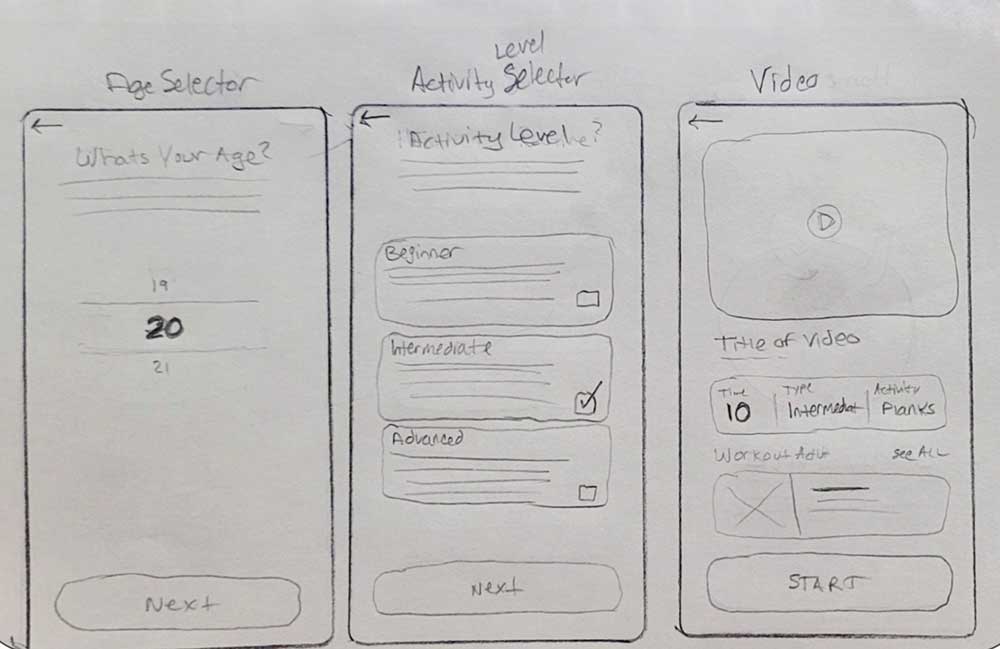
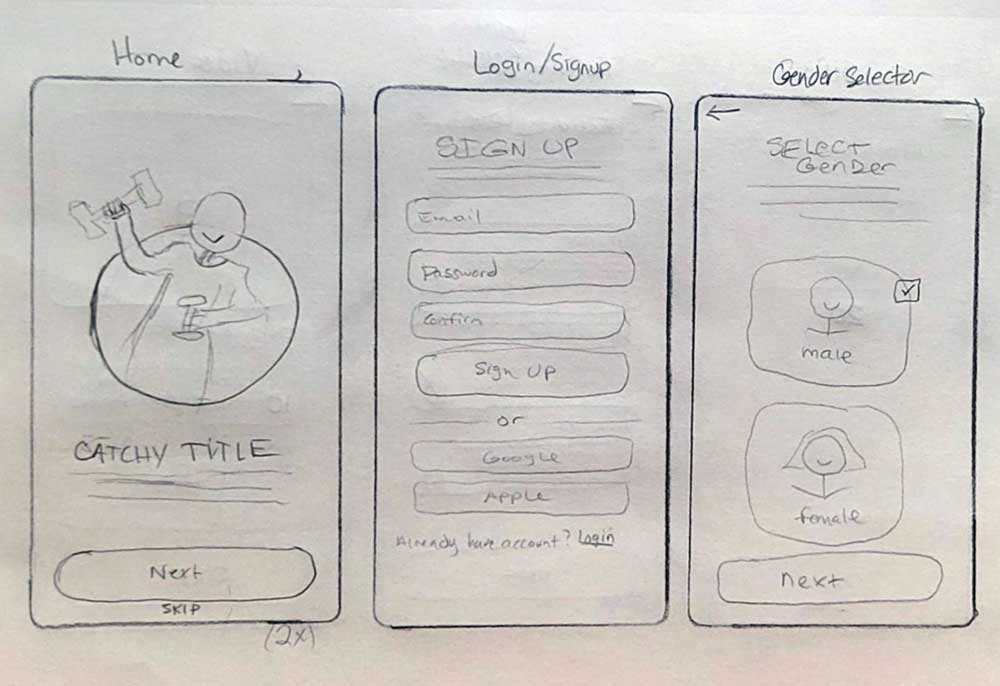
Low-fidelity wireframes were created in Whimsical to map core screens and interactions without visual distraction.
Wireframes focused on:
- onboarding clarity
- simplified navigation
- reducing steps in common actions
- presenting progress in an encouraging way
These wireframes allowed for rapid iteration and validation before moving into visual design.
USABILITY CONSIDERATIONS
Key usability considerations included:
- minimizing required input from users
- ensuring clear calls to action
- supporting accessibility through readable layouts and touch-friendly spacing
- reducing decision fatigue during daily use
These principles guided layout structure and interaction decisions throughout the wireframing process.
Competitive Analysis
User Research
The Fitness App is designed for adults who want to improve or maintain their health but struggle with consistency and motivation.
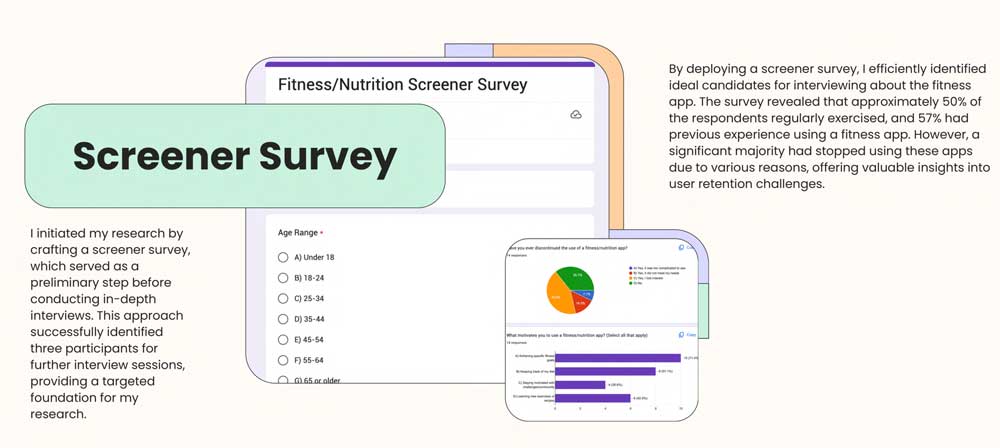
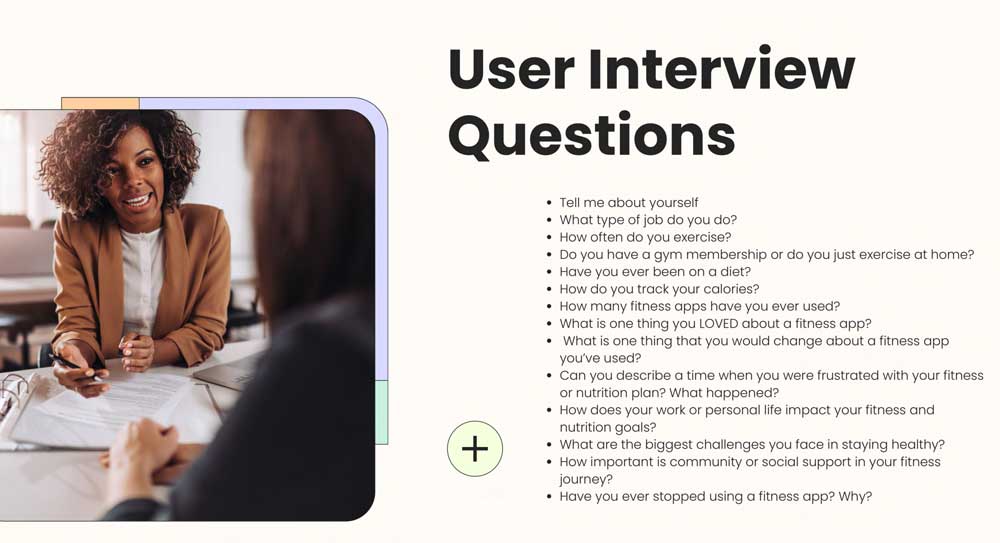
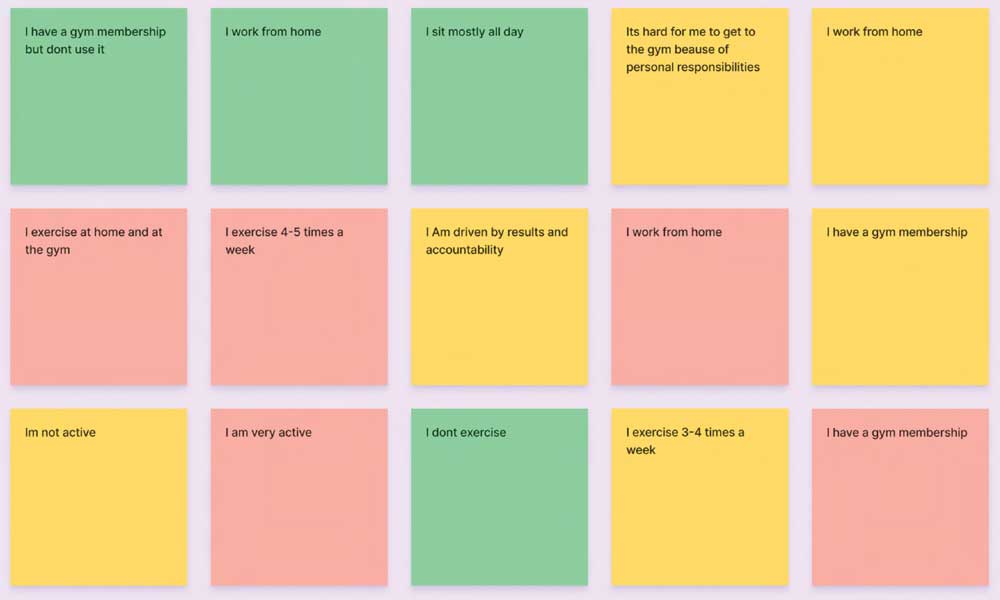
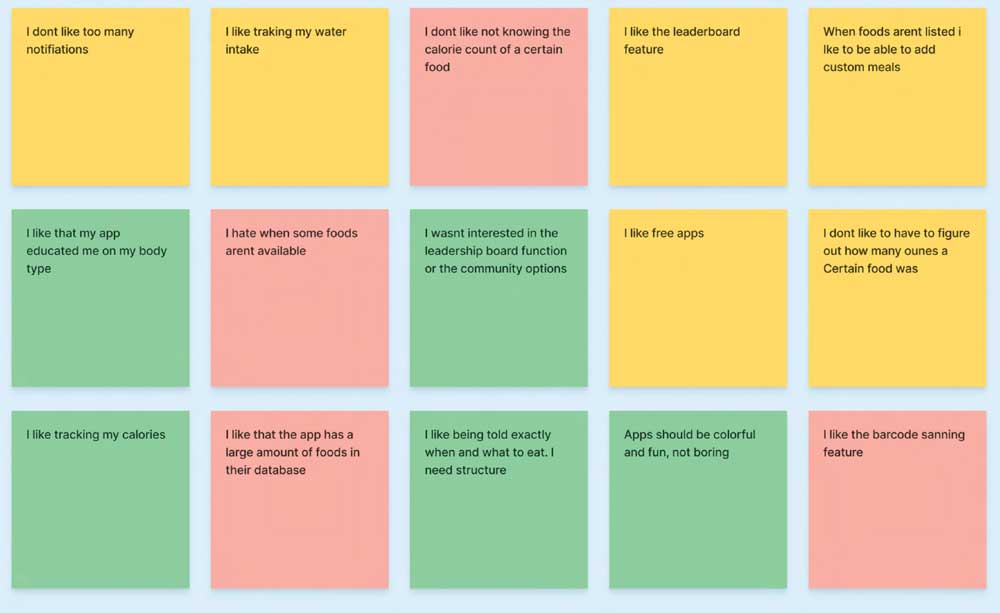
To ground the concept in real needs, I conducted user research through interviews and surveys, focusing on:
- fitness routines
- nutrition tracking habits
- motivation challenges
- reasons users abandon fitness apps
Key Research Participants Included:
- adults balancing work and personal commitments
- users with previous experience using fitness or nutrition apps
- users who had stopped using fitness apps altogether
KEY INSIGHTS
From research synthesis, several recurring themes emerged:
- Users feel overwhelmed by apps that require too much setup or manual tracking
- Many users want personalization but don’t want to spend time configuring settings
- Progress tracking is more motivating when it feels visual and achievable
- Users prefer encouragement and clarity over rigid or data-heavy experiences
These insights informed the structure, flow, and feature prioritization of the app.

Next Steps
Planned next steps for this project include:
- designing high-fidelity UI screens in Figma
- creating a reusable component system
- building an interactive prototype
- conducting usability testing on onboarding and tracking flows
This project will continue to evolve with a focus on visual refinement and interaction design.
Results
This project strengthened my ability to translate research into structured UX solutions, design for behavior change, and prioritize clarity over complexity. It reinforced the importance of designing experiences that support users emotionally as well as functionally.


